
INTRODUCTION TO WORDIPLY AS A DAILY WORD GAME
What Is Wordiply and Why It Appeals to UK Players
Wordiply is a daily word puzzle designed around depth of vocabulary rather than speed or guesswork. Unlike many quick-fire word games, the Wordiply game challenges players to think carefully about letter patterns, word construction, and linguistic possibilities. Each day presents a new puzzle, giving Wordiply today a sense of routine and anticipation that resonates strongly with UK audiences who already value daily newspaper puzzles and intellectual pastimes.
For British players, the appeal of wordiply lies in its emphasis on thoughtful engagement. Rather than relying on obscure gimmicks, the game rewards a solid understanding of language and an ability to spot longer, more complex words. This aligns well with the UK’s long-standing affection for crosswords, cryptic clues, and editorial puzzles. Wordiply today fits comfortably into this tradition, offering something that feels mentally rewarding without being overwhelming.
The structure of wordiply encourages calm focus. Players are not rushed by timers, nor distracted by excessive visual effects. This measured pace suits UK readers who often enjoy puzzles alongside a morning coffee, during a commute, or as a quiet break later in the day. It is this balance of challenge and accessibility that has helped wordiply become a familiar part of the daily digital puzzle landscape.
How Wordiply Today Fits Into Daily Routines
Wordiply today has become a natural part of everyday routines for many UK players. Its once-a-day format mirrors traditional newspaper puzzles, encouraging consistency without pressure. Because the puzzle refreshes daily, players can return at a time that suits them, knowing everyone is engaging with the same challenge.
Many people incorporate wordiply today into established habits:
- Morning mental warm-up, where players complete the wordiply game alongside reading the news, helping them ease into the day with focused thinking rather than passive scrolling.
- Commuting entertainment, as wordiply today provides a quiet, thoughtful activity that fits neatly into train or bus journeys without requiring long stretches of uninterrupted time.
- Lunch break distraction, offering a short but engaging puzzle that refreshes the mind without pulling attention away for too long.
- Evening wind-down, where the Guardian Wordiply experience allows players to relax while still feeling mentally engaged.
This flexibility makes wordiply today particularly well suited to varied UK lifestyles, from office-based professionals to students and retirees.
Wordiply as a Language and Vocabulary Challenge
- Encourages deeper vocabulary use, as players must think beyond common words and explore longer or less obvious constructions within the available letters.
- Improves pattern recognition, helping players become more adept at spotting prefixes, suffixes, and compound possibilities common in British English.
- Strengthens spelling confidence, reinforcing correct UK spelling through repeated exposure to valid word forms.
- Develops patience and focus, as success in the wordiply game often comes from careful consideration rather than quick guesses.
- Promotes linguistic curiosity, motivating players to reflect on how words are built and how meanings shift with small changes in structure.
By framing vocabulary as a daily challenge rather than a test, wordiply supports gradual improvement without making the experience feel academic or forced.
Differences Between Wordiply and Other Word Games
What distinguishes wordiply from many other word games is its emphasis on word length and depth rather than volume. Where some puzzles reward players for finding as many short words as possible, wordiply challenges them to push further, searching for the longest viable options. This creates a different mental rhythm, one that values exploration over speed.
The wordiply game also avoids the competitive pressure seen in leaderboard-driven formats. There is satisfaction in improving one’s own performance, but little emphasis on comparison. This makes the experience more reflective and less performative, aligning with UK preferences for quietly challenging pastimes.
Replay value comes from the daily refresh rather than endless rounds. Wordiply today feels complete once solved, allowing players to step away without feeling compelled to continue. This restraint is part of its charm, particularly when compared with games designed to encourage prolonged engagement at all costs.
Popularity of Word Games in the UK
Daily word puzzles have long held a respected place in UK culture, from printed crosswords to digital challenges. Wordiply fits naturally into this landscape, reflecting established habits while adapting to modern platforms.
UK audiences are drawn to word games for several reasons:
- A tradition of newspaper puzzles, where readers expect thoughtful challenges alongside journalism.
- An appreciation for language, particularly nuanced spelling and wordplay rooted in British English.
- Routine-based engagement, with many people enjoying the discipline of a daily mental task.
- A preference for quiet challenge, rather than flashy or overly gamified experiences.
Within this context, guardian wordiply feels familiar rather than novel, which helps explain its steady uptake among UK readers.
Why Wordiply Works Well for British English
Wordiply is especially well suited to British English because it respects the structure, spelling, and rhythm of the language as used in the UK. Players are not confronted with unfamiliar American spellings or culturally specific terms that feel out of place. Instead, the wordiply game aligns with vocabulary commonly encountered by UK readers.
This linguistic consistency builds trust. When players engage with wordiply today, they can focus on solving the puzzle rather than questioning whether a word “counts” in British usage. Over time, this reinforces confidence and enjoyment. The Guardian Wordiply association further strengthens this connection, as The Guardian has long been recognised for its commitment to UK language standards and editorial clarity.
WORDIPLY AND THE GUARDIAN CONNECTION
Understanding the Guardian Wordiply Association
The connection between wordiply and The Guardian is widely recognised among UK readers who regularly engage with digital puzzles. Guardian wordiply is seen not as a standalone novelty, but as part of a broader tradition of thoughtful word games curated within a respected media environment.
For many, the guardian wordiply association signals a certain level of quality. UK audiences often trust The Guardian to present puzzles that are intellectually engaging without being inaccessible. This trust carries over into wordiply the guardian experience, where players expect fairness, linguistic accuracy, and consistent difficulty.
Rather than relying on heavy branding, the connection feels understated. Wordiply guardian uk benefits from being embedded within a familiar editorial space, making it easier for readers to incorporate into their existing habits.
Wordiply The Guardian Experience for UK Users
The wordiply the guardian experience is shaped by clarity, ease of use, and respect for the player’s time. UK users often value functionality over excess features, and this is reflected in how guardian wordiply is presented.
Key aspects of the experience include:
- Clean, readable layout, ensuring the wordiply game remains the focus without unnecessary distractions.
- Straightforward access, allowing players to reach wordiply today quickly as part of their daily browsing routine.
- Consistent presentation, which helps returning players feel immediately comfortable and oriented.
- Editorial alignment, where the puzzle sits naturally alongside other Guardian content without feeling out of place.
This thoughtful integration supports regular engagement without overwhelming users.
Why The Guardian Wordiply Appeals to UK Audiences
- Established trust in The Guardian, which reassures players about language accuracy and editorial standards.
- Alignment with daily reading habits, making guardian wordiply feel like an extension of the news experience.
- A measured, intelligent tone, avoiding gimmicks that might undermine the seriousness of the puzzle.
- Cultural familiarity, where word choices and structures reflect UK usage rather than imported conventions.
- Consistency over novelty, appealing to readers who value reliability in daily challenges.
These factors combine to make the guardian wordiply offering feel both credible and approachable.
Wordiply Guardian UK and Daily Puzzle Culture
Daily puzzles have long been part of UK journalism, from crosswords to logic problems. Wordiply guardian uk fits into this tradition by offering a modern interpretation of a familiar concept. The emphasis remains on mental engagement rather than spectacle.
Within the Guardian’s wider puzzle culture, wordiply the guardian complements other offerings rather than competing with them. Players may choose between different challenges depending on mood and time, reinforcing the idea of puzzles as a regular, varied practice. This cultural continuity helps wordiply maintain relevance without needing constant reinvention.
Differences Between Wordiply Guardian and Other Platforms
While wordiply may appear in various contexts, the guardian wordiply version has a distinct editorial feel that sets it apart.
Notable differences include:
- Tone and presentation, which favour clarity and restraint over playful graphics.
- Perceived difficulty balance, where challenges feel thoughtfully calibrated rather than randomly generated.
- Editorial surroundings, reinforcing the puzzle’s seriousness and cultural value.
- Audience expectations, as Guardian readers often approach wordiply with a mindset shaped by long-form journalism and analysis.
These subtle distinctions influence how players perceive and engage with the wordiply game.
How The Guardian Wordiply Encourages Consistent Play
Consistency is central to the guardian wordiply approach. By offering a single daily puzzle, the experience encourages routine without creating pressure. Players return because they want to, not because they fear missing out.
The satisfaction of solving wordiply today, combined with the anticipation of tomorrow’s challenge, fosters a gentle sense of continuity. Over time, this rhythm becomes part of a broader daily pattern, reinforcing wordiply’s place within UK digital habits.

HOW THE WORDIPLY GAME WORKS
Core Rules of the Wordiply Game
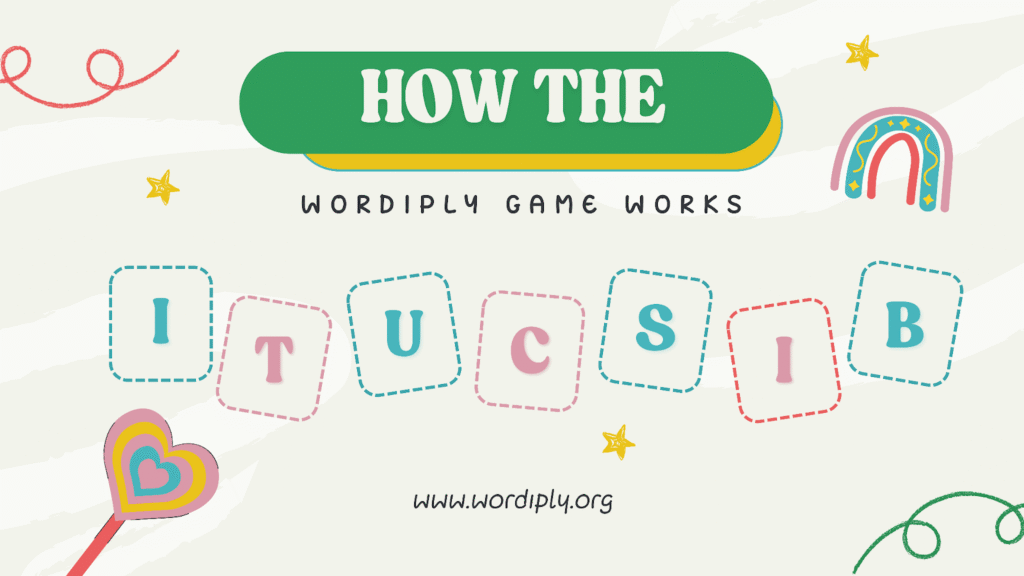
The wordiply game is built around a simple but demanding concept. Players are presented with a set of letters and challenged to form the longest valid word possible. Unlike games that reward quantity, wordiply prioritises quality, encouraging careful consideration of each option.
Rules are straightforward, but mastery takes time. Words must adhere to standard spelling conventions, which is particularly important for British English users. There is no advantage in rushing; thoughtful exploration often yields better results. This clarity allows players to focus entirely on the puzzle itself, making wordiply today a concentrated linguistic exercise.
Strategy Tips for Playing Wordiply Today Game
- Look for longer structures first, as identifying potential prefixes or suffixes can guide your search towards higher-scoring options.
- Experiment mentally before committing, testing different combinations in your head can prevent wasted attempts.
- Draw on British spelling knowledge, which is essential for success in guardian wordiply contexts.
- Avoid settling too early, as the first acceptable word may not be the strongest possible solution.
- Reflect on past puzzles, noticing patterns can help improve performance over time.
Common Mistakes Players Make
Many players approach wordiply with habits formed by other word games, which can limit success. For example, focusing on short words often leads to missed opportunities.
Common issues include overconfidence in early answers, overlooking alternative spellings, or assuming difficulty is fixed. UK players can improve by slowing down and embracing exploration. Recognising that wordiply today rewards patience is often the first step towards better results.
Improving Scores Over Time
Improvement in the wordiply game tends to be gradual rather than sudden. Regular play helps expand vocabulary and sharpen pattern recognition. Over weeks and months, players often notice they can spot longer words more quickly.
This growth feels organic. There is no explicit training mode, yet the daily challenge itself becomes a form of practice. For UK audiences, this aligns with a preference for learning through repetition rather than instruction.
How Difficulty Changes Day to Day
- Letter combinations vary, creating natural fluctuations in challenge level.
- Some days favour compound words, while others reward creative constructions.
- Difficulty feels contextual, depending on a player’s personal vocabulary strengths.
- Variation prevents predictability, keeping wordiply today engaging over time.
Why Wordiply Feels Different Every Day
Despite consistent rules, wordiply rarely feels repetitive. Each puzzle introduces a new linguistic landscape, inviting fresh thinking. This daily renewal supports long-term engagement, particularly within the guardian wordiply environment where variety is valued.
The sense that every wordiply today is unique reinforces the game’s replayability and cultural fit.
WORDIPLY TODAY IN UK DIGITAL CULTURE
Daily Puzzles and British Media Habits
UK media consumption has long included space for reflection. Daily puzzles complement news reading by offering mental engagement without emotional intensity. Wordiply today fits neatly into this pattern, providing a calm counterbalance to information-heavy content.
British audiences often value moderation, and the once-daily format reflects this cultural preference.
Wordiply Today as a Casual Brain Exercise
Wordiply today functions as a light but meaningful mental workout. It demands focus without exhaustion.
Key qualities include:
- Low time commitment, making it accessible even on busy days.
- Cognitive stimulation, supporting memory and problem-solving skills.
- Stress-free engagement, as there are no penalties for failure.
Social Sharing and Discussion in the UK
- Quiet comparison, where friends discuss results without overt competition.
- Shared vocabulary moments, sparking conversation about interesting word choices.
- Cultural references, linking wordiply experiences to broader UK language discussions.
Wordiply Guardian UK vs Other Daily Games
Compared with trend-driven games, wordiply guardian uk prioritises substance. It avoids reliance on novelty mechanics, instead trusting language itself to sustain interest. This restraint appeals to players who value depth over distraction.
Educational and Cognitive Benefits
Wordiply supports ongoing learning in subtle ways.
Benefits include:
- Vocabulary expansion, through repeated exposure to complex words.
- Improved spelling awareness, grounded in British English norms.
- Mental flexibility, encouraged by exploring multiple solutions.

FINAL THOUGHTS ON WORDIPLY AND THE GUARDIAN
Why Wordiply Remains Popular in the UK
Wordiply’s popularity stems from its respect for language and routine. It does not chase trends, instead offering a reliable daily challenge that fits UK cultural habits. The wordiply guardian connection reinforces this stability.
Strength of The Guardian Wordiply Model
- Editorial credibility, rooted in The Guardian’s reputation.
- Consistent quality, ensuring fair and engaging puzzles.
- Cultural alignment, matching UK language expectations.
Long-Term Appeal of Daily Word Games
Daily word games endure because they reward patience. Wordiply today exemplifies this, offering satisfaction without excess. Over time, the ritual becomes as valuable as the puzzle itself.
Wordiply as Part of UK Puzzle Tradition
Wordiply sits comfortably alongside crosswords and other classics.
It reflects:
- Respect for language, central to UK puzzle culture.
- Routine-based enjoyment, valued across generations.
Closing Perspective for UK Players
For UK audiences, wordiply represents more than a game. It is a quiet daily moment of focus, shaped by British English and supported by the guardian wordiply tradition. Its value lies in consistency, thoughtfulness, and respect for the player’s intelligence. For more information, click here.